
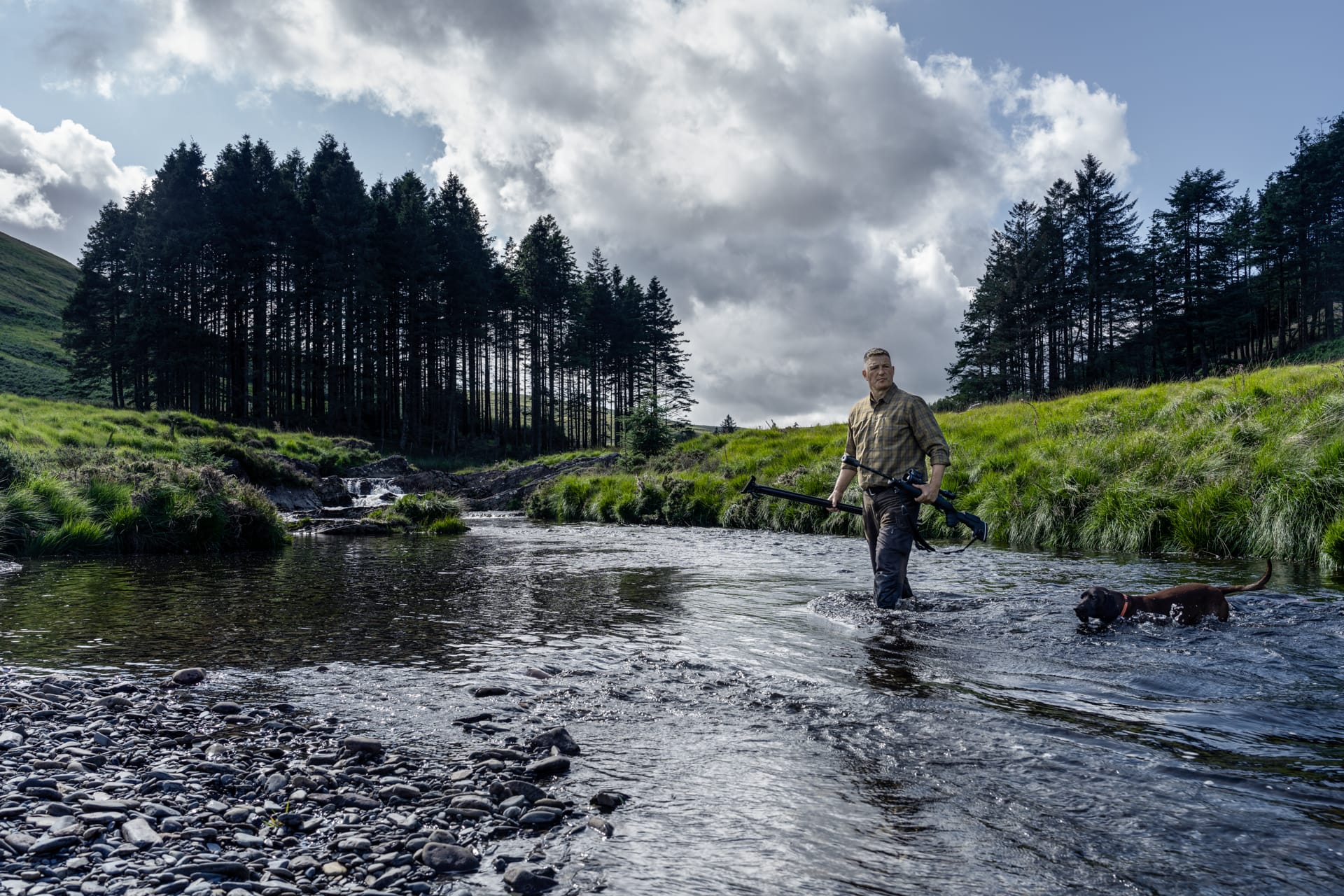
Countryside Stewardship Higher Tier
Funding for deer control and management.
Support with surveys, grant applications, species management planning, ongoing deer management and the monitoring required under CWS1.
CWS1 explained
A practical route to fund deer-impact reduction.
CWS1: Deer Control and Management is a Countryside Stewardship Higher Tier action intended to reduce the harm deer cause to priority habitats and species. It can support landowners where deer are preventing habitat recovery, damaging woodland, suppressing regeneration or affecting wider conservation objectives.
Who it may suit
Where deer are affecting priority habitats and species.
The action is intended for eligible land where native or naturalised deer—such as roe, red or fallow—are causing harm to priority habitats or species, or where invasive non-native deer species, including muntjac, Chinese water deer or sika, are present.
- Woodland where browsing, bark stripping or grazing is preventing natural regeneration or affecting the future condition of the stand.
- Habitat restoration, creation or management land where deer pressure is frustrating the intended environmental outcome.
- Farms, estates and conservation sites where deer impacts are affecting sensitive vegetation, crops, woodland edge or other qualifying habitats.
- Sites where landowners want a properly evidenced deer-management approach, linked to defined habitat and conservation objectives.
Eligibility, mapped land cover, compatible land use, agreement scope and required consents are determined through the formal application process and the relevant Natural England or Forestry Commission adviser.
How we can help
From baseline survey to delivery on the ground.
We can provide practical support throughout the process: gathering the site evidence needed to inform an application, helping prepare grant material, and carrying out the deer-management work and monitoring required once an agreement is in place.
Deer-impact surveys
We can assess deer signs, browsing pressure, regeneration issues and wider habitat impacts to provide a clear baseline for discussion and grant preparation.
Application support
We can help assemble the practical information needed for your application, including survey findings, site context and proposed deer-management activity.
Species management planning
We can assist with the site information and management detail required to support an agreed species management plan and practical delivery programme.
Deer management delivery
Once an approach is agreed, we can carry out ethical, safe and landscape-led deer management in line with the management objectives for the land.
Monitoring and evidence
We can help with impact-assessment visits, monitoring structures, cull records and the practical evidence needed to demonstrate delivery.
Landowner liaison
We work collaboratively with landowners, agents, forestry interests and conservation advisers to keep the arrangement clear, workable and properly coordinated.
What CWS1 requires
A funded agreement comes with defined obligations.
The exact activities are agreed with the relevant adviser and set out in the final agreement document. However, the published CWS1 guidance identifies several core delivery and evidence requirements that landowners should understand before applying.
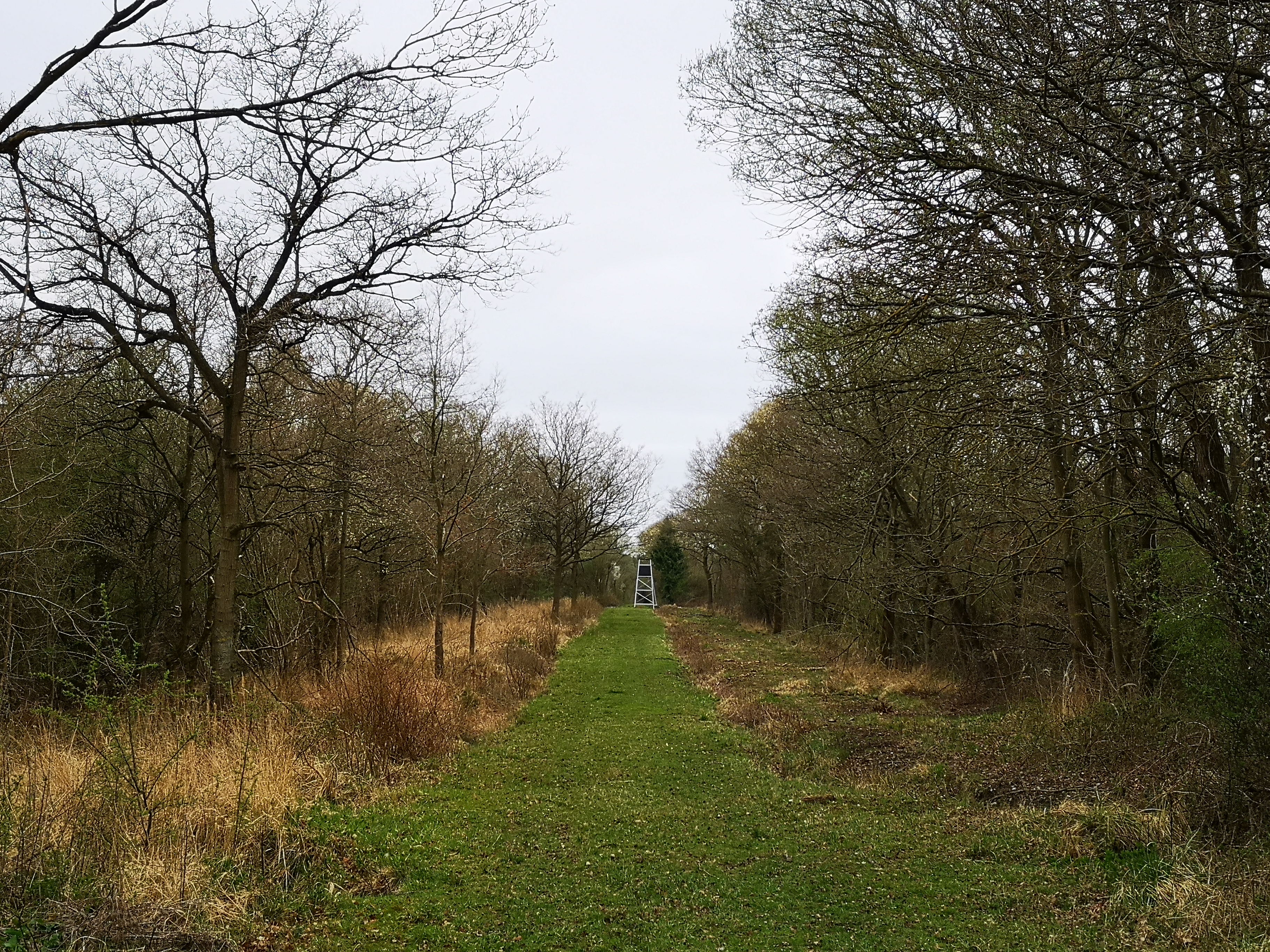
Deer monitoring structures
An agreed number of deer monitoring structures, often referred to as exclosures, must be installed in the first year of the agreement.
Agreed culling activity
The agreed level of culling must be carried out in accordance with the species management plan and the site’s environmental objectives.
Habitat impact assessments
Habitat impact assessments are required in years 1, 5 and 10 to monitor progress and assess whether deer impacts are reducing.
Evidence and records
Evidence may include habitat impact reports, cull records, photographs when requested, invoices, permissions, consents and other documents connected with the work.
A straightforward process
Start with the land, then build the case.
The best starting point is an informal discussion about your land, the deer species present, visible impacts and your longer-term objectives. We can then advise whether CWS1 may be worth exploring and how we could assist.
Initial discussion
We discuss the holding, management concerns, habitats, existing schemes and what you are trying to achieve.
Site visit and baseline survey
We assess deer presence, damage, vegetation impacts, practical access and the information needed to support the case for management.
Application preparation
We assist with the practical supporting material for the grant process, working alongside you and the relevant advisers as necessary.
Management and monitoring
After agreement, we can support or undertake the deer-management programme, monitoring activity and record keeping required for delivery.
Important
We help you prepare and deliver. Approval is not guaranteed.
CWS1 is part of Countryside Stewardship Higher Tier. Applications, eligible area, species management plans, required consents and the final activity requirements are assessed and agreed through the relevant process with Natural England and, where applicable, the Forestry Commission.
We can help you put forward a properly evidenced and practical case, but cannot guarantee grant eligibility, acceptance, payment or any particular agreement terms. Any deer management must also be carried out lawfully, with the necessary permissions, licences and welfare safeguards in place.
Explore the opportunity
Could deer management funding support your land?
Get in touch for an informal, no-obligation discussion. We can talk through the deer impacts you are seeing, your habitat or woodland objectives, and whether a CWS1 application may be appropriate to explore.
Tell us where your land is, the type of habitat or woodland involved, the deer species you are seeing and the issues you want to address.
Discuss grant funding