
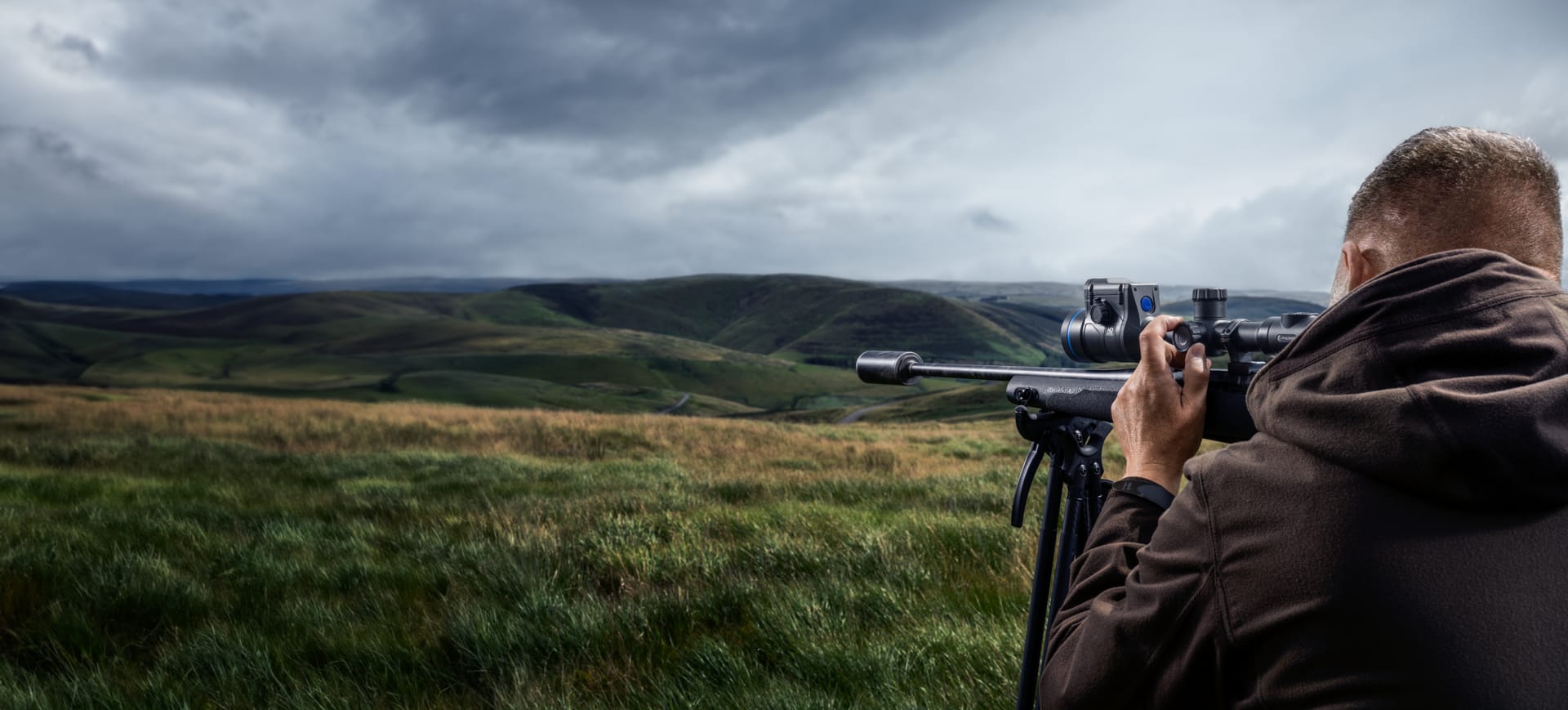
Deer-impact surveys
Practical assessment of deer signs, browsing pressure, bark damage, regeneration and habitat impacts.
About Deer Conservation
Professional deer-management support for farmers, landowners, estates, forestry interests and conservation managers.
What we do
Deer Conservation brings together professional rural-land knowledge and practical deer management experience. We support farmers, landowners, estates, forestry interests and conservation managers with deer-impact surveys, management planning, grant support, responsible deer stalking, monitoring and evidence records.
Practical assessment of deer signs, browsing pressure, bark damage, regeneration and habitat impacts.
Management planning, application preparation and support for eligible CWS1 deer-management funding.
Responsible deer stalking, monitoring and evidence records aligned with agreed land-management objectives.
Why deer management matters
Deer are an important part of a healthy rural landscape. But where their numbers exceed what a site can support, browsing, grazing, fraying and bark stripping can compromise woodland regeneration, habitat condition, agricultural production and the wider value of the land.
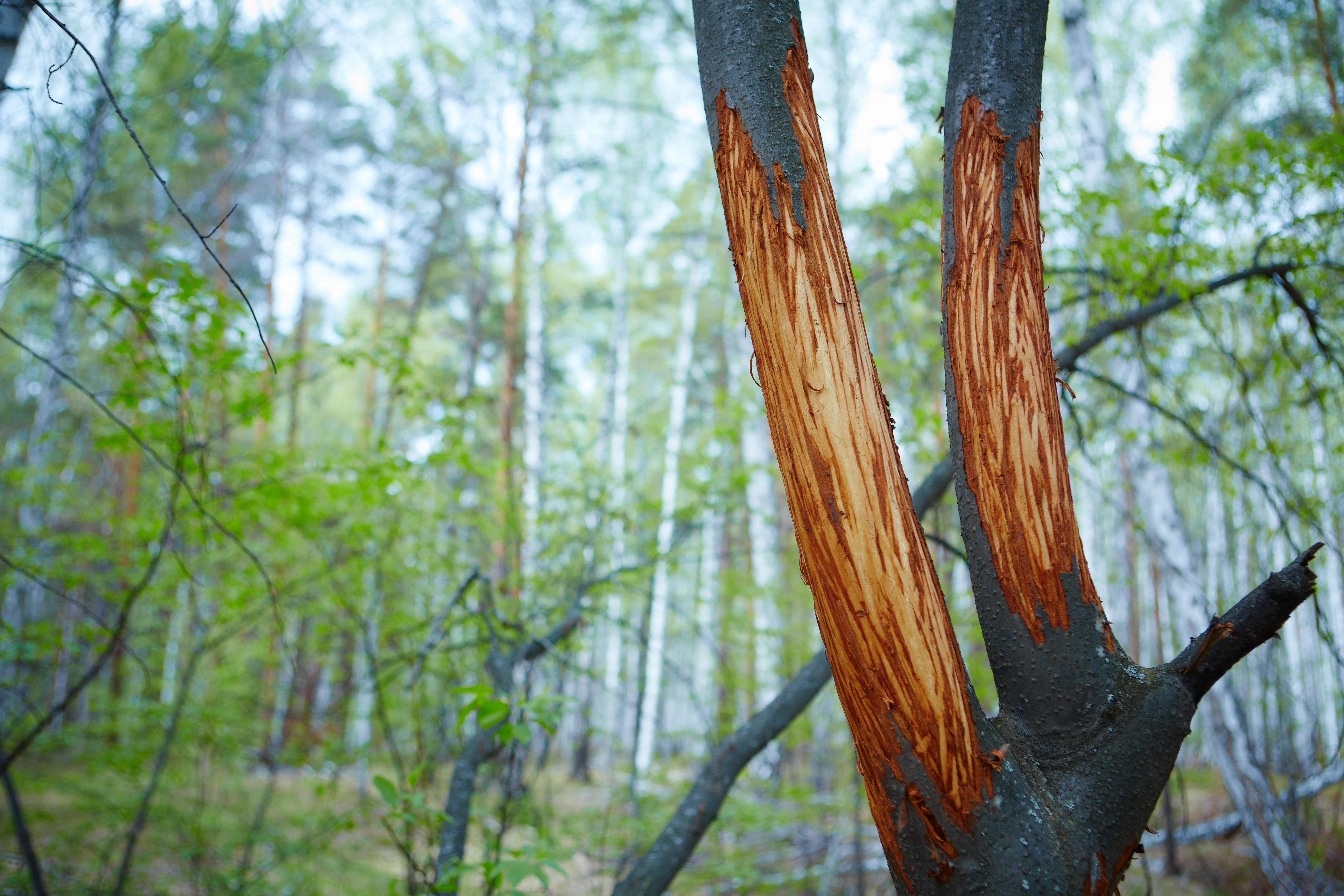
Browsing can prevent young trees from establishing. Fraying and bark stripping can weaken or kill stems, affecting future woodland structure, resilience and timber quality.
Persistent pressure can reduce woodland understorey, flowering plants and ground flora, with wider effects on the habitats used by insects, birds and other wildlife.
Deer can damage crops, browse leaders and deform young trees. In forestry, poor form and multiple stems can reduce the value of timber crops and planting investment.
Deer movement across roads creates a risk for drivers, passengers and animals. Management may form part of a wider response where deer are regularly using high-risk areas.
Our method
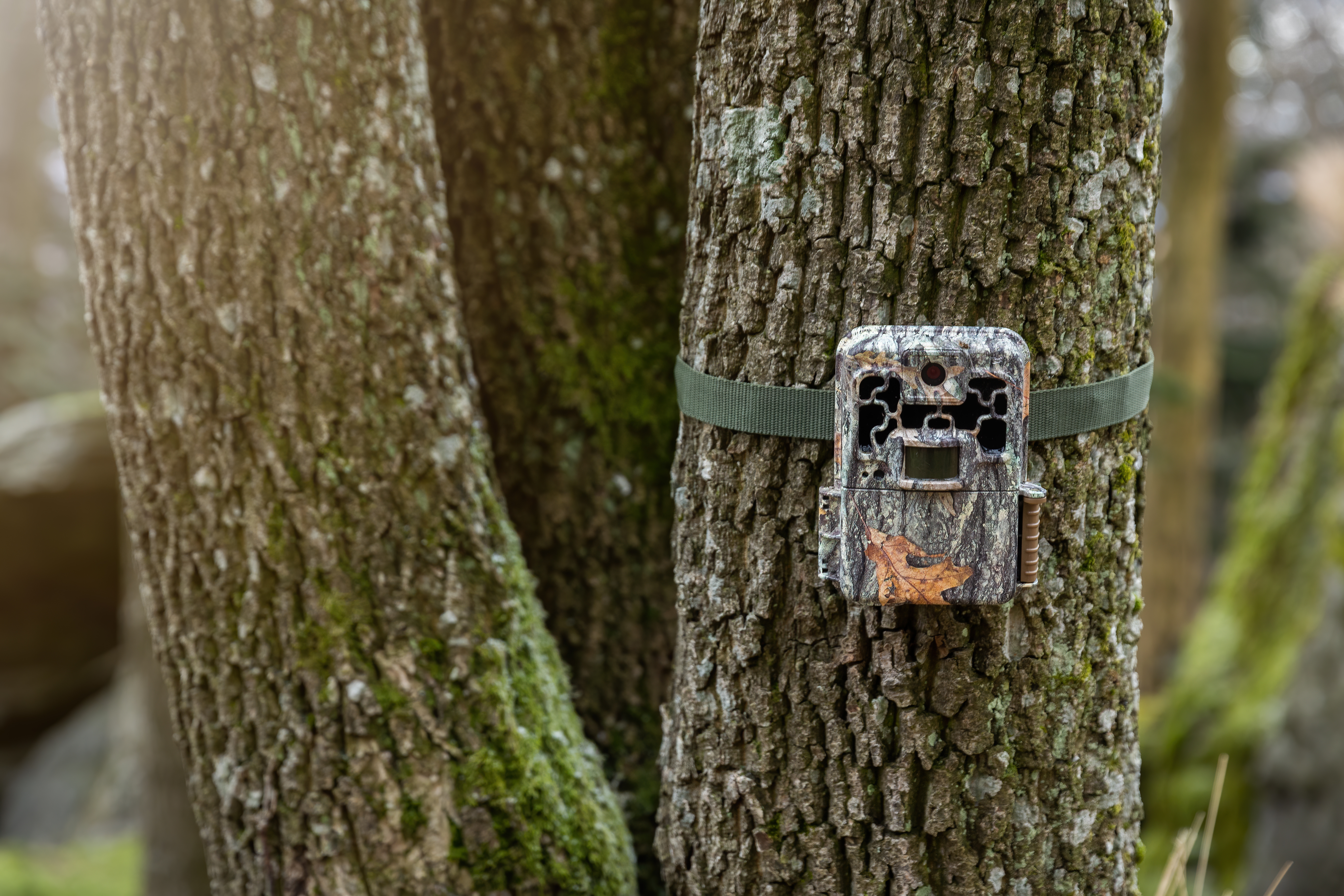
We do not take a one-size-fits-all approach. Effective deer management starts with understanding the land, the deer species present, the level and type of impact, neighbouring land uses and the objectives of the owner or manager.
Where management is required, decisions are made with welfare, safety and the desired long-term condition of the site in mind. Selective culling can form part of a wider deer-management strategy to reduce pressure and support recovery.
We listen to the landowner’s concerns, objectives and practical constraints before suggesting an approach.
We consider access, deer signs, habitats, public routes, neighbouring activity and likely risks.
We agree a sensible arrangement that respects the site, its users and the landowner’s priorities.
Deer management is an ongoing process. We review outcomes and adapt activity as site conditions change.
Our background
Deer Conservation was set up by a Chartered Surveyor and is founded on experience advising farmers, landowners and estates on matters centrally important to them.
We recognise that deer management may not be a top priority, and that time often cannot be diverted from more pressing matters, which is precisely where we come in.
If you would like to apply for CWS1 grant funding, we will liaise with your land agent to handle this aspect of the application for them, give them the low down of the requirements, what's involved and then carry out the required measures to maintain the funding where approved.
Alternatively, if you simply want to ensure the deer management on your land is in safe, qualified and responsible hands, where you remain fully informed and in control, then please contact us to discuss how we can help.
What we provide
We can support a single concern, such as woodland damage or an initial deer-impact survey, or work with you over time as a practical deer-management partner.
A thermal survey to assess deer activity, species present and impacts on trees, crops, habitats, regeneration and the practical operation of the land.
We discuss the survey findings, your objectives and the practical options for the site. We can then agree an informal arrangement or provide a written proposal where appropriate.
Where requested and subject to eligibility, we prepare the Species Management Plan, seek approval from Forestry England and support the CWS1 application process.
Where funding is approved, we complete the Year 1 habitat-impact assessment and install the required deer-monitoring structures ('exclosures').
We deliver the agreed deer-management programme and maintain the necessary activity logs, habitat-impact monitoring and evidence records.
Grant funding
Start a conversation
Tell us about your land holding, the level of deer present and any issues you would like to address. We can arrange to come and see you and visit the land to discuss what would work best for you and your circumstances.
We welcome enquiries from owners of small or large areas of land, remote landed estates, wildlife organisations, forestry managers, farmers and other landowners seeking responsible deer-management support.
Get in touch